Tomato processing waste shows antibacterial packaging promise
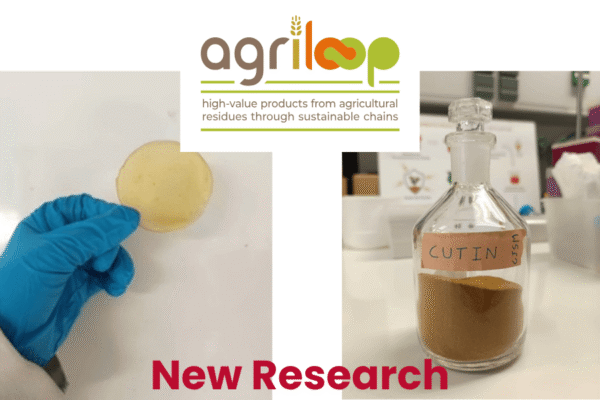
Researchers at ITQB NOVA in Lisbon, working as part of the AgriLoop project on plant polyesters, have demonstrated that cutin—a natural polyester found in tomato peel—can be deconstructed into different properties with significant antibacterial properties, opening a potential new avenue for valorising the peels, seeds and stems discarded during tomato sauce production.

The study, led by recent PhD graduate Rita Escórcio under the supervision of Dr. Cristina Silva Pereira and Dr. Carlos Afonso of the Applied and Environmental Mycology laboratory, focused on two strategies: breaking cutin down into its molecular components to test their antibacterial effect, and combining those components with cellulose to produce biobased material prototypes.
Pictured: Rita Escórcio (ITQB NOVA, Lisbon)
Results showed that cutin-derived building blocks were effective against Staphylococcus aureus, while prototype materials combining cutin and cellulose acted against both S. aureus and Escherichia coli (two bacteria commonly associated with food spoilage) and also inhibited bacterial adhesion. The researchers suggest the findings could support the development of active coatings or packaging materials designed to extend food shelf life. This could replace the conventional plastic-based packaging and coatings currently in use.
Pictured: Material made with cutin building blocks and cellulose
Cutin functions as the structural backbone of the tomato peel, and its position in the outer layer of the fruit is associated with protection against pathogens, UV radiation, and water loss. The work involved collaboration with several postdoctoral researchers within the AgriLoop team.
Pictured: Cutin after the grinding step and the process to isolate it from tomato peels
The study contributes to a broader effort to increase the circularity of biomass in the processing industry by promoting the use of industrial tomato residues as secondary feedstocks, rather than treating them as waste. The researchers note that this approach could also support job creation and new product development.
Next steps include applying the methodology to grape pomace from winemaking, and further characterising which specific cutin components are responsible for antibacterial activity and whether they act synergistically.
About the AgriLoop Project
AgriLoop is an ambitious EU-China collaboration addressing global agricultural sustainability challenges by transforming under-utilized agricultural residues from food production into high-value bioproducts. Through innovative safe-and-sustainable-by-design bioconversion processes, the consortium will convert waste from diverse sectors (tomato, soy, potato, brewery, livestock, etc.) into valuable proteins, polyesters, and bio-chemicals for applications across food, feed, health, and materials industries.
This initiative brings together 35 partners across Europe and China, including 19 research institutions and 14 SMEs with proven expertise in agricultural bioeconomy. By establishing flexible, circular value chains, AgriLoop aims to increase resource efficiency, reduce environmental impact, and create competitive alternatives to petroleum-based products, ultimately strengthening international cooperation in sustainable agriculture and contributing to global climate goals.